
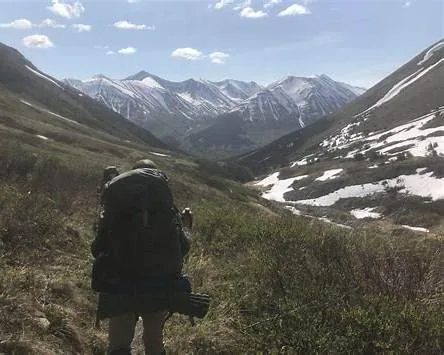
Absolute Best Backpacking in Alaska: Routes, Permits and Trip Planning
Finding the absolute best backpacking in alaska depends less on which route looks most dramatic in photos and more on the kind of trip you can safely and realistically manage. For many travelers, Resurrection Pass is the strongest first multi-day Alaska backpack, K’esugi Ridge is excellent for an established alpine traverse, Crow Pass fits a shorter point-to-point trip, Denali offers trail-less wilderness, and Wrangell-St. Elias suits advanced expedition-style travel.
This guide compares Alaska backpacking trips by route style, navigation, permits, transportation, hazards, and guide value so you can choose before paying for flights, shuttles, cabins, or air taxis.
Table of Contents
Absolute Best Backpacking in Alaska: How We Chose the Routes
There is no honest way to name one absolute best backpacking in alaska route for every person. A well-marked trail and a fly-in, off-trail expedition may both be outstanding, but they demand very different skills.
Is There an Established Trail?
Resurrection Pass, K’esugi Ridge, and Crow Pass use established trail systems. That reduces route-finding complexity, although weather, river crossings, wildlife, and remoteness still matter.
Denali National Park is different. NPS manages overnight travel through backcountry units rather than designated overnight trails, so Denali backpacking requires genuine cross-country route planning.
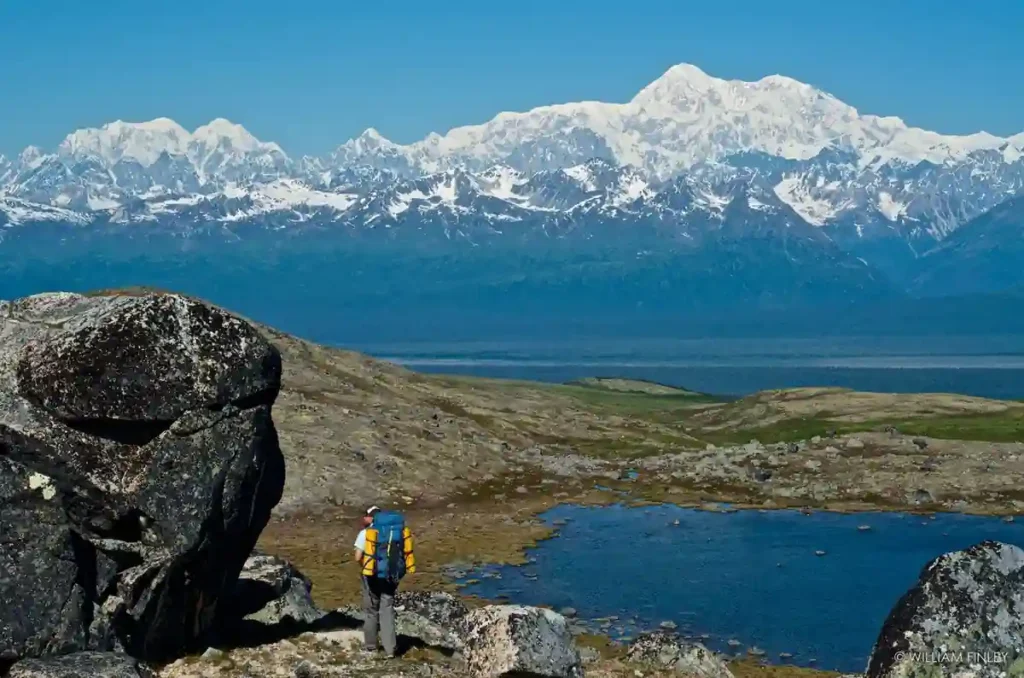
Wrangell-St. Elias moves even farther toward expedition travel. NPS says there are no maintained trails through its backcountry, and many commonly used routes require off-trail navigation, charter flights, river crossings, or glacier travel.
How Hard Are the Logistics?
A trip can become difficult before you take the first step.
Resurrection Pass uses road-accessible trailheads. K’esugi Ridge has several trailhead combinations. Crow Pass is point-to-point and normally requires transportation planning between Girdwood and Eagle River.
Denali adds an in-person permit process and park-bus logistics. Remote Wrangell-St. Elias routes may require a chartered air-taxi drop-off and pickup.
That is why the absolute best backpacking in alaska for a first-time visitor is not automatically the most remote trip.
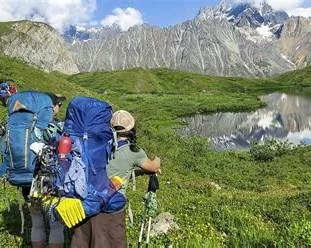
What Can Stop the Trip?
The most useful comparisons include the reason you might have to change plans.
Examples include:
- A dangerous Eagle River ford on Crow Pass.
- Poor ridge visibility on K’esugi Ridge.
- Backcountry-unit availability in Denali.
- Weather delaying a bush-plane pickup.
- River or glacier conditions on a remote Wrangell-St. Elias route.
Absolute Best Backpacking in Alaska for Different Trip Styles
This comparison is a starting point, not a universal difficulty scale.
| Trip | Best Fit | Route Style | Main Logistics | Experience Fit |
|---|---|---|---|---|
| Resurrection Pass | First Alaska multi-day backpack | Established trail | Point-to-point transport | Prepared backpacker |
| K’esugi Ridge | Alpine ridge and possible Denali views | Established trail system | Trailhead combination/shuttle | Prepared backpacker |
| Crow Pass | Shorter point-to-point trip | Established trail with major river ford | Shuttle + river decision | Experienced backpacker |
| Denali backcountry | Trail-less national-park wilderness | Off-trail | In-person permit + park transport | Experienced off-trail traveler |
| Wrangell-St. Elias | Remote expedition | Mostly off-trail | Often air taxi | Advanced backcountry traveler |
The best backpacking trails in Alaska are not interchangeable. Match skills and logistics first, then compare scenery.
Resurrection Pass: Best First Multi-Day Alaska Backpack
For experienced hikers new to Alaska backpacking, Resurrection Pass is one of the most approachable longer routes without being trivial.
The full Resurrection Pass system is roughly 38 miles through the Kenai Mountains. Forest Service mapping shows designated campsites, bear boxes, backcountry toilets at several locations, and a chain of public-use cabins. That infrastructure makes Resurrection Pass backpacking easier to organize than trail-less national-park travel.
Why Choose Resurrection Pass?
It works especially well if you want:
- An established path.
- A multi-day point-to-point trip.
- No bush-plane dependency.
- Optional public-use cabins.
- A clearer transition into Alaska conditions before attempting off-trail expeditions.
Cabins are a separate reservation decision. Current Chugach rules require a valid cabin reservation to occupy one and prohibit camping within 300 feet of a public recreation cabin unless you are part of the registered party.
For the absolute best backpacking in alaska for someone who already has multi-day backpacking experience but little Alaska-specific experience, Resurrection Pass is the strongest default starting point in this group.
K’esugi Ridge: Best for a Trail-Based Alpine Traverse
K’esugi Ridge in Denali State Park offers a different kind of trip: long stretches of exposed alpine terrain with potential views toward Denali and the Alaska Range when clouds allow.
Alaska State Parks shows several ways to build K’esugi Ridge backpacking trips. Its northern trail-system guide lists a 17.8-mile Little Coal Creek-to-Ermine Hill traverse, a 28.9-mile option to Byers Lake, and a 37-mile traverse to Upper Troublesome Creek.
That flexibility lets you choose a route length that fits your schedule instead of treating K’esugi as one fixed itinerary.
Who Should Choose K’esugi Ridge?
Choose it if you want:
- An established trail system.
- Significant time above treeline.
- Multiple access points.
- A ridge-focused trip rather than deep trail-less wilderness.
- The possibility of major Alaska Range views.
Weather can hide Denali completely, and the exposed ridge still requires competent navigation. Alaska State Parks specifically advises hikers to carry map-and-compass skills and be prepared to wait out poor weather or turn around.
For the absolute best backpacking in alaska centered on an established alpine ridge rather than an expedition-level route, K’esugi Ridge is one of the strongest choices.
Crow Pass: Best Short Point-to-Point Adventure Near Anchorage
Crow Pass Trail runs between the Girdwood area and Eagle River through Chugach State Park and adjacent Forest Service land. The current Alaska State Parks trail guide lists the route at 21 miles one way and notes that the full trip normally takes two or more days.
Its location makes Crow Pass Trail backpacking attractive when you want a serious overnight route without adding a bush flight. The catch is Eagle River.
The Eagle River Ford Is a Real Decision Point
Alaska State Parks warns that crossing Eagle River can be dangerous and that the water is extremely cold. Glacial rivers can rise with warm weather or heavy rain, and the agency explicitly advises hikers to turn back when conditions are not safe.
Shorter mileage does not make Crow Pass easy. Choose it only if you are comfortable abandoning the traverse when river conditions are unsafe.
For some travelers, this is the absolute best backpacking in alaska option when trip time is limited and Anchorage access matters. For someone without river-crossing judgment, it is not.
Denali Backcountry: Best for Trail-Less National Park Wilderness
Denali changes the meaning of backpacking in Alaska.
NPS does not give overnight backpackers a normal trail-and-campsite itinerary. Instead, the park is divided into backcountry units. You choose a unit and develop your own route based on terrain, rivers, brush, wildlife closures, and your group’s abilities.
Alaska Backcountry Permits in Denali
Current Denali rules require a free backcountry permit for overnight trips. During the main season, permits are issued in person at the Backcountry Information Center no more than one day before the trip. All members of the party must attend the backcountry orientation.
NPS also requires Bear Resistant Food Containers from April 15 through September 30.
Because unit availability is limited, arrive with several route ideas.
Denali’s 2026 Access Situation
As of September 14, 2026, Denali’s transit and tour buses are operating only as far as East Fork at Mile 43 for the remainder of the 2026 bus season. Since August 27, hikers and cyclists have been allowed to continue west on foot or bike across the completed Pretty Rocks bridge, but buses still stop at Mile 43. NPS expects full bus service along the road to resume in 2027.
This limitation can materially change where you begin and end a Denali backpacking trip, so old itineraries built around farther-west bus drop-offs should not be reused without checking current access.
Denali is the absolute best backpacking in alaska choice in this guide for experienced travelers who specifically want route choice and trail-less national-park wilderness. It is not the strongest first Alaska trip for someone still learning backcountry navigation.
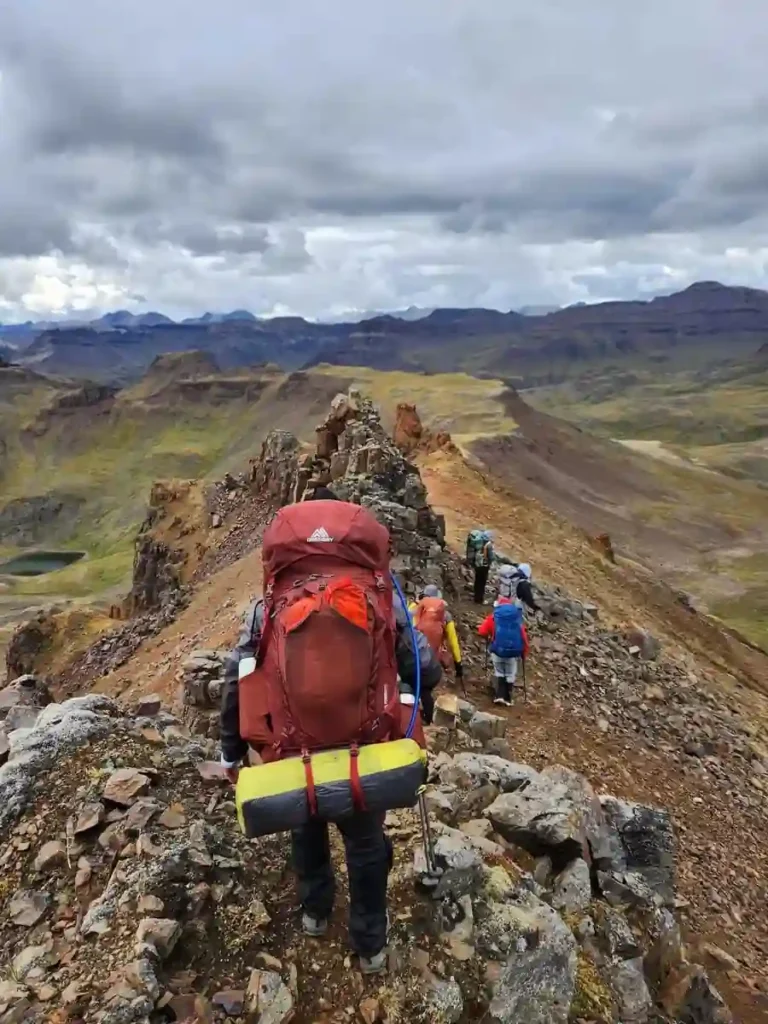
Wrangell-St. Elias: Best Advanced Remote Expedition
Wrangell-St. Elias is where this list crosses decisively into advanced expedition travel.
NPS says backcountry permits are not normally required for hiking and camping, but the park has no maintained backcountry trails. Its route guidance repeatedly emphasizes advanced planning and off-trail navigation.
One example is the Goat Trail area between Skolai Pass and Wolverine. Despite the name, NPS says there is no actual trail to follow. The route is roughly 25 to 30 miles depending on the variation, requires chartered air-taxi drop-off and pickup, includes exposed terrain, and demands advanced backcountry skills.
Why Wrangell-St. Elias Stands Out
Wrangell-St Elias backpacking can offer:
- Remote alpine basins.
- Glaciated terrain.
- Off-trail route choice.
- Bush-plane access.
- Multi-day wilderness with little built infrastructure.
NPS warns that maps, GPS files, and older trip reports may no longer match conditions on the ground. Visitors should honestly assess their ability to navigate off-trail and camp through difficult weather.
For the absolute best backpacking in alaska at an advanced expedition level, Wrangell-St. Elias is a compelling choice—but only when the group has the skills or guide support to match the route.
What About Gates of the Arctic?
Gates of the Arctic is one of America’s most remote backpacking environments, but it is intentionally not a default recommendation in this list.
NPS says no roads enter the park and there are no established trails. Experienced hikers may consider six miles a good day because of tussocks, brush, boggy ground, and stream crossings. Air access is common, weather can delay flights, and bear-resistant food storage is required.
For someone deliberately seeking a remote Arctic expedition, it may represent the absolute best backpacking in alaska. For a general searcher comparing ordinary Alaska backpacking trips, it sits one step beyond the primary recommendations above.
Chilkoot Trail: Strong Route, but Not a 2026 International Through-Hike
The Chilkoot Trail deserves special treatment because older descriptions can be misleading.
The historic 33-mile route crosses from Alaska into British Columbia. In 2026, NPS states that hikers cannot legally cross the U.S.-Canada border via Chilkoot Pass and must turn around at the border.
For the U.S. side, overnight permits are required from June 1 through September 12 in 2026. Reservations are made through Recreation.gov, and all group members must attend an in-person safety orientation in Skagway to validate the permit.
So the Chilkoot remains valuable, but it should not currently be sold to readers as its traditional international through-hike.
When Is the Best Time for Backpacking in Alaska?
The absolute best backpacking in alaska season depends on the route rather than one statewide date.
Early summer can mean lingering snow and high water. Mid-summer offers the broadest practical window for many routes, but rain, cold, insects, high rivers, and poor visibility remain possible. Late summer brings cooler temperatures, shorter days, and an increasing chance of snow in high terrain.
Check official conditions close to departure and keep schedule flexibility, especially when air taxis are involved.
Guided or Self-Guided Alaska Backpacking?
The commercial decision is not simply whether a guide is “worth it.”
It is whether the route demands skills or logistics your group does not already have.
Self-Guided Makes Sense When
A self-guided trip is more reasonable when you can navigate the route, arrange transportation, understand food-storage rules, make conservative weather and river decisions, and carry an appropriate communication plan.
Resurrection Pass and some K’esugi Ridge itineraries are far easier to organize independently than fly-in Wrangell-St. Elias routes.
A Guide Adds More Value When
Guiding becomes more useful when travel is mostly off-trail, air-taxi logistics are involved, glacier travel is part of the route, major unbridged rivers are expected, or your group lacks comparable wilderness experience.
Wrangell-St. Elias itself suggests considering a guide when visitors are not comfortable with topographic navigation, off-trail travel, or difficult weather.
Verify that any commercial operator is authorized to work on the relevant public land.
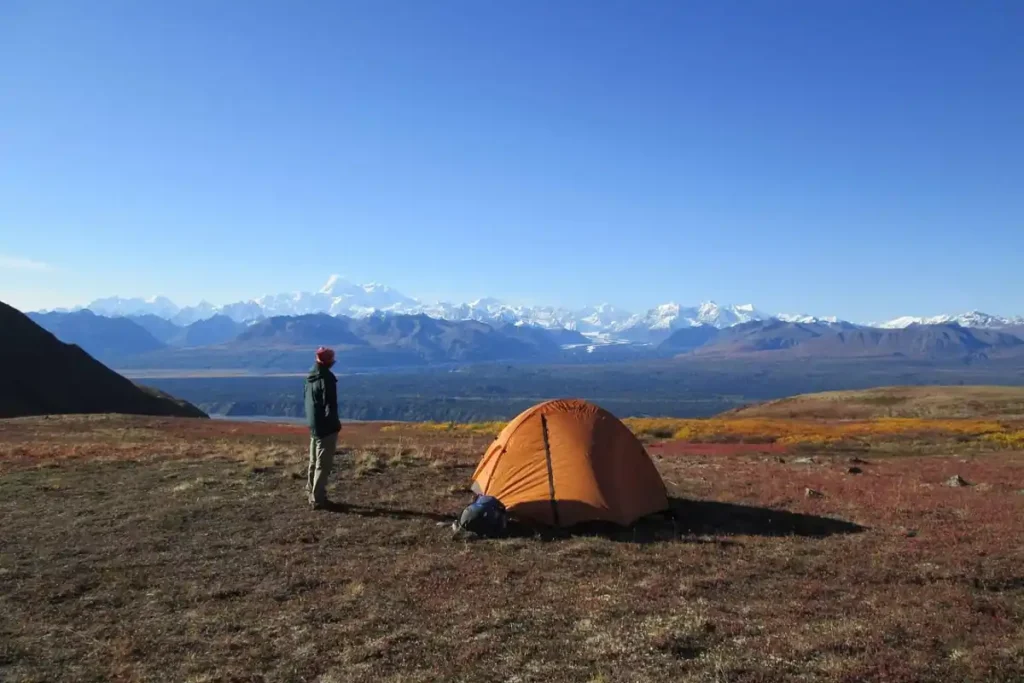
Absolute Best Backpacking in Alaska: Permits, Access and Booking Checklist
The third major way to identify the absolute best backpacking in alaska for your trip is to compare what must be booked or obtained before departure. For commercial planning, the absolute best backpacking in alaska option is often the one whose least-flexible reservation you can realistically secure.
| Trip | Main Permit or Booking Issue |
|---|---|
| Resurrection Pass | Reserve a public-use cabin only if you plan to use one |
| K’esugi Ridge | Check current Alaska State Parks trail access and conditions |
| Crow Pass | Arrange point-to-point transportation and verify river/trail conditions |
| Denali | Free in-person backcountry permit and mandatory orientation |
| Wrangell-St. Elias | No standard backcountry permit; remote routes may need advance air-taxi booking |
| Chilkoot | 2026 U.S.-side overnight permit plus mandatory Skagway orientation |
A useful planning order is:
- Choose a route that matches your experience.
- Check current closures and official alerts.
- Confirm the permit or reservation system.
- Book the least-flexible item first, such as an air taxi or reserved cabin.
- Arrange point-to-point transportation.
- Check food-storage rules for the exact land manager.
- Download official maps.
- Build an emergency communication plan.
- Add weather-delay margin when flights are involved.
- Recheck route, river, weather, and transportation conditions immediately before departure.
If your Alaska backpacking trip also includes rental-car travel between trailheads, campgrounds, or other outdoor destinations, our road trip camping planning guide can help you organize driving days, reservations, backup overnight stops, offline route information, and changing road conditions.
Alaska Backpacking Safety Differences That Matter
The absolute best backpacking in alaska plan is one that still gives you permission to turn around.
River Crossings
Do not treat a ford as a guaranteed itinerary step. Alaska State Parks notes that glacial rivers can rise in warm weather or heavy rain and advises turning back when a crossing is unsafe.
Bear-Resistant Food Storage
Requirements vary. Denali requires BRFCs during its specified season, while Wrangell-St. Elias and Gates of the Arctic have their own backcountry food-storage requirements. Verify the exact land manager’s current rule.
Weather, Communication, and Flight Delays
Cold rain, wind, low cloud, snow, and poor visibility can change a trip quickly. Remote areas may have no dependable cell service, and satellite devices do not guarantee a quick rescue.
If your route relies on a bush plane, carry schedule margin and extra food because weather can delay pickup. Gates of the Arctic specifically advises visitors relying on air access to build weather days into their plans.
Which Alaska Backpacking Trip Should You Choose?
Choose Resurrection Pass if you already know how to backpack and want an established multi-day route for your first Alaska trip.
Choose K’esugi Ridge if an alpine ridge, flexible trailhead combinations, and the possibility of Denali views matter most.
Choose Crow Pass if you want a shorter route near Anchorage and are willing to cancel or reverse the trip if the Eagle River ford is unsafe.
Choose Denali backcountry if you specifically want trail-less route planning and are comfortable navigating without an established overnight trail.
Choose Wrangell-St. Elias if you want advanced expedition-style travel and have the off-trail, river, aviation, and possibly glacier skills required—or are hiring appropriate professional guidance.
Consider Gates of the Arctic when your goal is an intentionally remote Arctic expedition rather than a conventional backpacking trail.
Frequently Asked Questions
What Is the Absolute Best Backpacking in Alaska for a First Trip?
For an experienced backpacker who is new specifically to Alaska, the absolute best backpacking in alaska starting point among these routes is often Resurrection Pass. It provides an established trail, road-accessible trailheads, designated campsites, and optional reservable cabins without requiring trail-less navigation or bush-plane logistics. You still need Alaska-ready weather, wildlife, water, and emergency planning.
Do You Need Permits to Backpack in Alaska?
It depends on the route and land manager. Denali requires an in-person backcountry permit for overnight travel. Wrangell-St. Elias does not generally require a backcountry permit. Chilkoot requires overnight permits during its permit season, while public-use cabins elsewhere may require separate reservations. Always check the official route page before travel.
Is Denali or Wrangell-St. Elias Better for Backpacking?
Choose Denali if you want trail-less national-park travel with an established in-person permit and backcountry-unit system. Choose Wrangell-St. Elias if you are prepared for more self-directed expedition logistics, extensive off-trail travel, and possible air-taxi or glacier components. Neither is automatically better; the logistics and required skills are different.
Can Beginners Go Backpacking in Alaska?
A person new to Alaska can backpack there, but someone new to backpacking itself should build multi-day skills before choosing a remote Alaska route. Established trails such as Resurrection Pass reduce navigation complexity, but cold rain, wildlife, river conditions, remoteness, and limited communications still require preparation and conservative decision-making.
Should You Hire a Guide for Backpacking in Alaska?
A guide can be especially valuable for remote off-trail routes, bush-plane logistics, glacier travel, major river crossings, or groups without comparable wilderness experience. Competent backpackers may reasonably organize established routes independently. Verify that any commercial guide is currently authorized to operate on the public land used by the trip.
Conclusion
The absolute best backpacking in alaska is the trip whose terrain, logistics, permit process, and hazards match the backpacker you are now—not the route with the most dramatic photo.
Start with experience level, then compare trail style, transportation, permits, current access, and objective hazards. Once you have a route in mind, check the official land-manager page again before paying for flights, cabins, shuttles, air taxis, or guide services.
References:
- National Park Service — Denali National Park & Preserve: Backpacking
Denali backcountry permits and requirements - National Park Service — Denali National Park & Preserve: Guide to Denali’s Backpacking Units
Denali backcountry unit planning - National Park Service — Denali National Park & Preserve: Current Conditions
Denali 2026 road and bus conditions - U.S. Forest Service — Chugach National Forest: Resurrection Pass North Trail
Resurrection Pass official trail information - U.S. Forest Service — Chugach National Forest: Developed Recreation Sites and Public Recreation Use Cabins Order
Current Chugach public-use cabin rules - Alaska State Parks — K’esugi Ridge Trail System North
K’esugi Ridge official trail guide - Alaska State Parks — Crow Pass Trail Guide
Crow Pass official trail guide - Alaska State Parks — River Crossing Safety
Official Alaska river-crossing guidance - National Park Service — Wrangell-St. Elias: Backpacking
Wrangell-St. Elias backpacking routes - National Park Service — Wrangell-St. Elias: Backcountry FAQs
Wrangell-St. Elias permit and trail information - National Park Service — Wrangell-St. Elias: Bear Resistant Food Containers
Wrangell-St. Elias food-storage requirements - National Park Service — Gates of the Arctic: Getting Around
Gates of the Arctic access and travel information - National Park Service — Gates of the Arctic: Food Storage and BRFCs
Gates of the Arctic food-storage rules - National Park Service — Klondike Gold Rush: Planning Your Chilkoot Trail Hike
Current 2026 Chilkoot Trail rules - National Park Service — Klondike Gold Rush: 2026 Chilkoot Camping Permits
2026 Chilkoot permit announcement